

Paint and countertops, no. Walls, windows and moved plumbing, yes. Here’s where the City of Boise draws the line, and what it means for your project.
If you're planning a remodel in Boise, one of the first questions you'll run into is whether you need a permit. It's a fair question, and the answer isn't always obvious. Some projects that feel big, like new cabinets and countertops, don't need one at all. Others that feel small, like moving a toilet a few feet or widening a window, do.
Getting it right at the start saves real headaches later. Unpermitted work can hold up a home sale, complicate an insurance claim, or have to be opened back up so an inspector can see it. So we've laid out where the City of Boise draws the line, what Idaho expects from the contractors you hire, and a few things worth checking before work begins.
Here's the quick answer: finish work like paint, flooring, cabinets, countertops and wall coverings doesn't need a building permit in Boise. A permit is needed once you open walls down to the framing, move or add a wall, change window or door openings, or move plumbing. Electrical, plumbing and mechanical work usually needs its own trade permit on top of that.
Everything below comes from the City of Boise’s own Guide to Residential Construction and its Homeowner’s Guide, plus Idaho statute. Rules change, so treat this as a map and confirm your specific project with the City before you start.
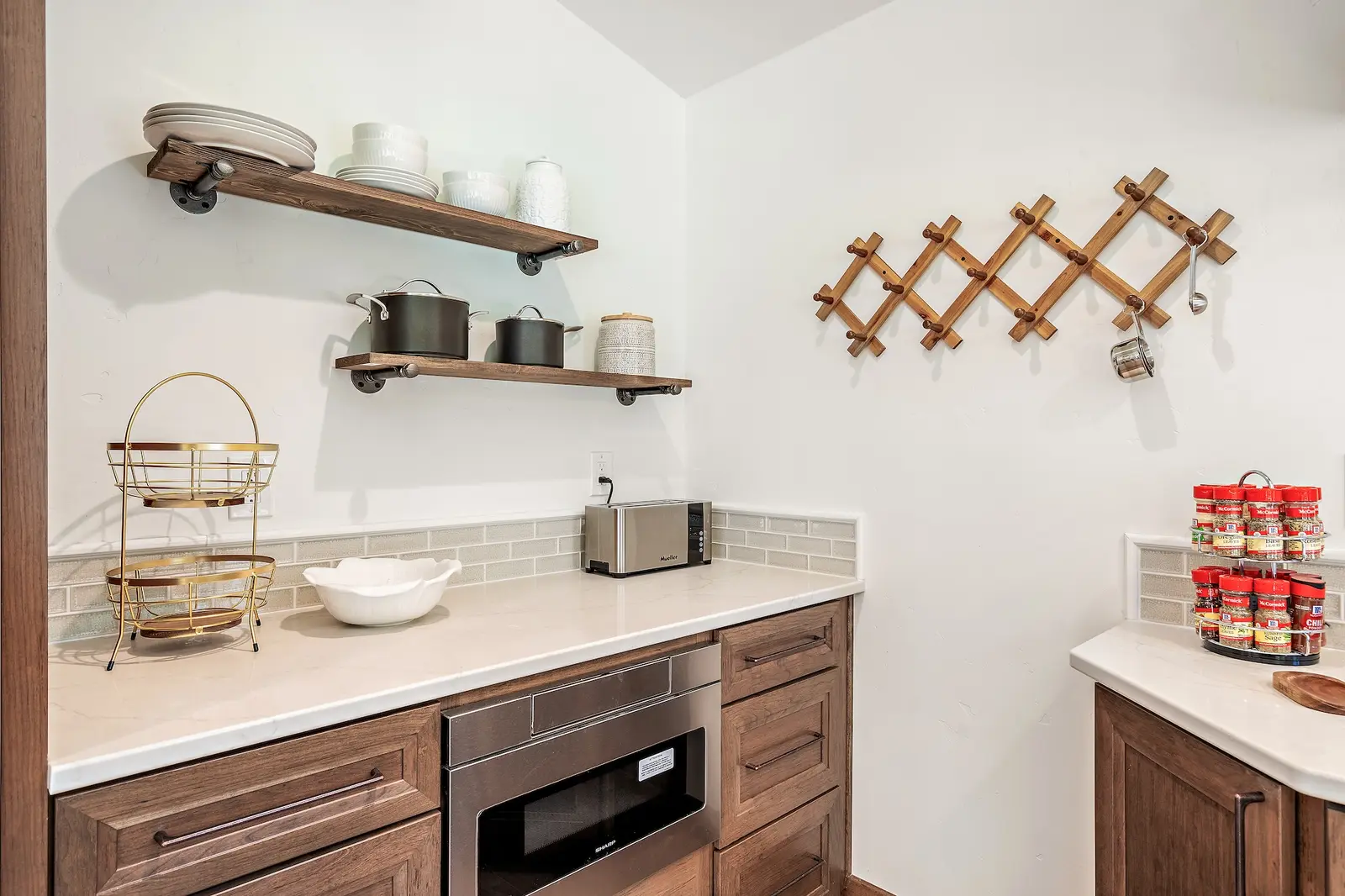
The City’s guide is clear that the building code “exempts interior work such as painting, floor covering, cabinets, counter tops and wall coverings from permit requirements.” So a kitchen refresh that keeps the layout can often go ahead without a building permit: new cabinet doors or boxes in the same places, new counters, a tile backsplash and new flooring.
A few outdoor items are also exempt:
“No building permit” doesn’t always mean “no approval”. A new driveway needs no building permit but does need Planning and Zoning approval, and adding a second kitchen needs Planning and Zoning approval too.
The interior line, in the City’s words: a permit is required if the project “removes wall coverings to expose the framing; builds a wall or partition (whether bearing or non-bearing) or relocates sinks, tubs, showers or water closets which require plumbing.”
In practice that covers most real remodels. The guide lists these, among others:
Opening a kitchen to the living room, enlarging a window over the sink or turning a garage into a family room all need a building permit, even when nothing about the work feels structural.
Trade work has its own permits. Inside Boise city limits they are issued by the City’s Planning and Development Services, and the City’s guide gives examples of each:
This is where many bathroom projects catch people out. New tile and a new vanity in the same spot is finish work. Moving the toilet, converting a tub into a walk-in shower or adding a fan brings in plumbing, mechanical and often electrical permits.
When a remodel needs a building permit, the City expects the house’s smoke alarms to be brought up to current requirements, and its guide notes the electrical permit that goes with them. Carbon monoxide alarms work the same way. Exterior-only work, like a new roof, siding or windows, is generally exempt. Ask about this up front so it’s in the plan rather than a surprise at inspection.
For your own home, yes. The City’s guide says homeowners “may perform work on their primary residence without registering as a contractor with the State of Idaho,” provided they get the permit and do the work themselves. If anyone else does the electrical, plumbing or mechanical work, that person must be a registered and licensed contractor in that trade.
Electrical is stricter. Boise’s Homeowner Electrical Permit Guide limits the homeowner permit to basic work done “without physical assistance from professionals or others”, by the owner of record, and starts with a mandatory preliminary conference with an inspector.
Anyone working on your house as a contractor in Idaho must be registered with the state; Idaho Code 54-5204 makes it unlawful to work as a contractor without registering. Electricians and plumbers also hold their own trade licenses. You can check both on the Idaho Division of Occupational and Professional Licenses website.
On a residential contract over $2,000, Idaho Code 45-525 requires the general contractor to give you a written disclosure before you sign. It explains your right to lien waivers, proof of the contractor’s liability and workers’ compensation insurance, extended title insurance and a surety bond. The contractor must also give you a list of the subcontractors and suppliers on the job. If a contractor never mentions it, that tells you something.
Ask who will pull the permits before you sign. Be cautious if a contractor suggests you pull them in your own name. The City’s owner rules are written for homeowners who do the work themselves, and if you pull the permit, you’re the one answering to the inspector.
Historic districts. If your house is in one of Boise’s historic districts, the City says “most exterior changes” need a Certificate of Appropriateness. That includes window replacement, additions, porches, decks and siding. It must be obtained before applying for the building permit or starting work.
Your house’s permit history. Before you buy, or before you plan around a previous owner’s basement finish, look the address up on Boise’s online permit system. Work that was never permitted can complicate a sale, and it’s better to know before you build on top of it.
Not usually. Cabinets and countertops are listed as exempt finish work. If the project also moves the sink, adds outlets or opens walls to the framing, those parts need permits.
Most of the time, yes. The City says plumbing permits are required for most bathroom remodels when fixtures are replaced, and moving fixtures or adding a fan or circuit brings in more.
Boise’s guide lists new or replacement windows and door openings, and resizing openings, under building permits. Confirm with the City for your specific window work.
It can surface during a sale, an insurance claim or your own remodel, when an inspector sees it. The City can tell you how to bring work into compliance. It’s much easier to deal with on purpose than to discover halfway through a project.
If your project is past the finish-work line, our interior remodeling in Boise page covers how we plan and run a permitted remodel, and how to choose a general contractor in Boise covers what to ask before you sign.
Tell us what you want to change and we will walk through what it involves, permits included. No pressure, just a straight answer.
Get started