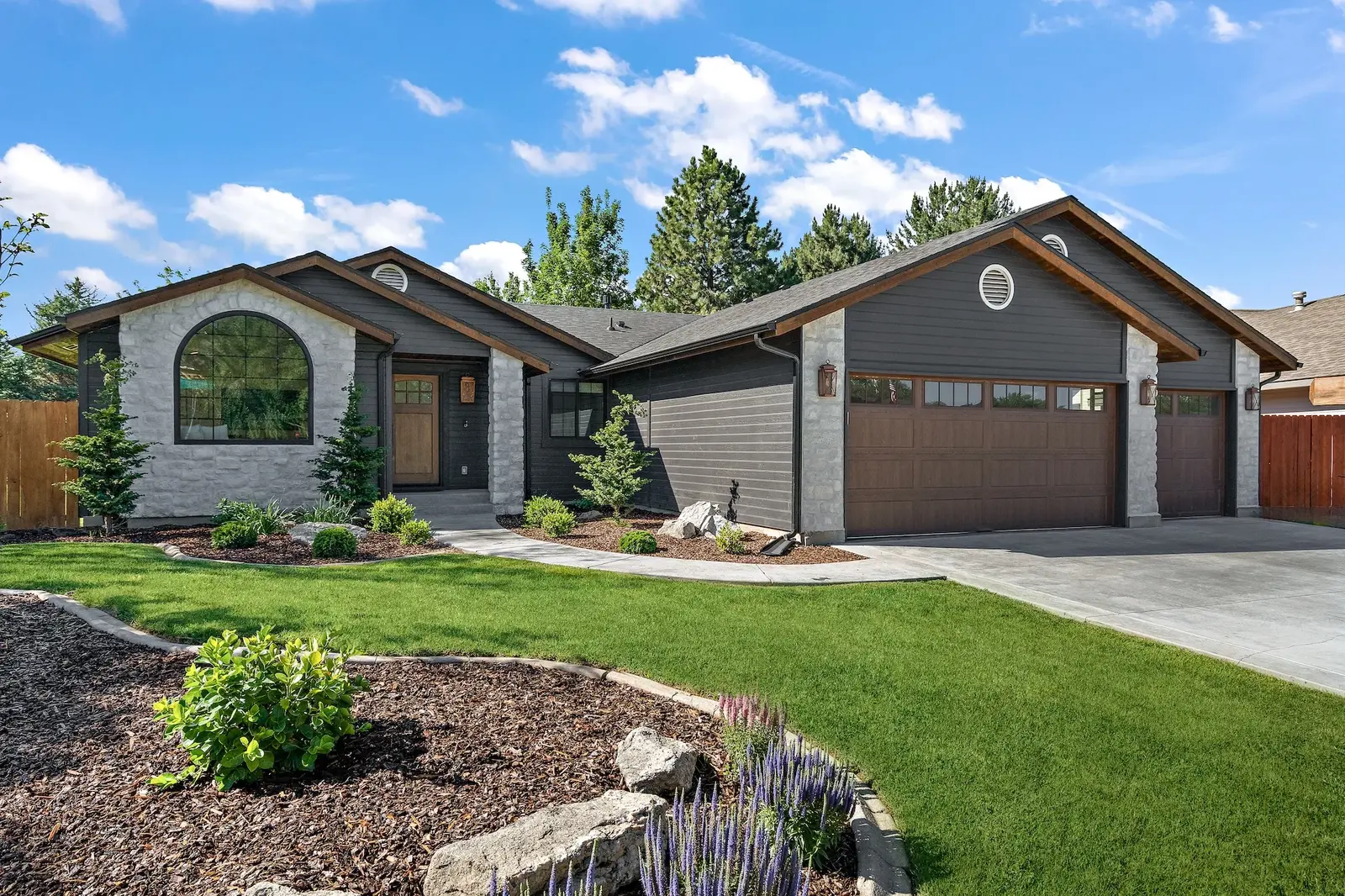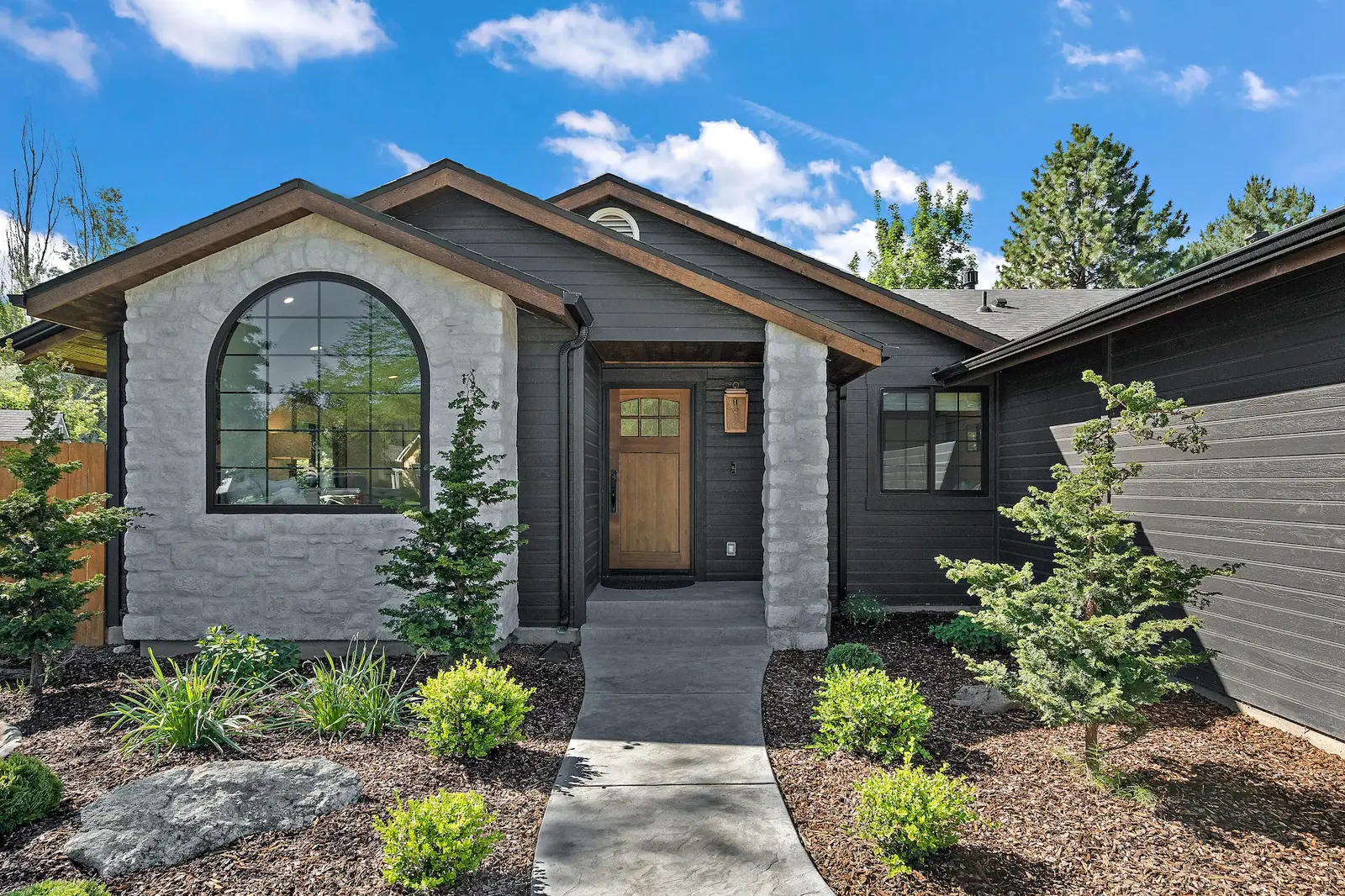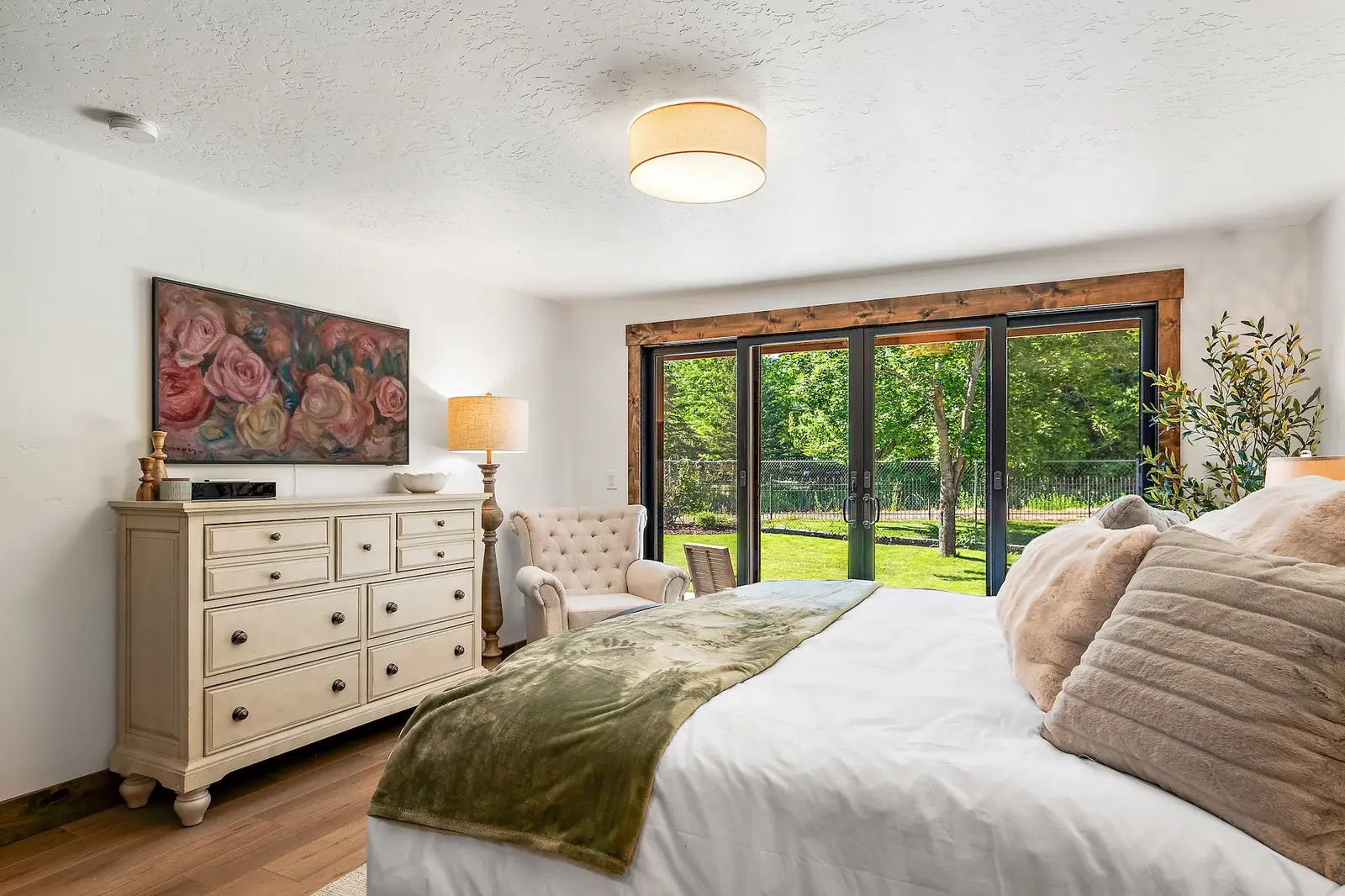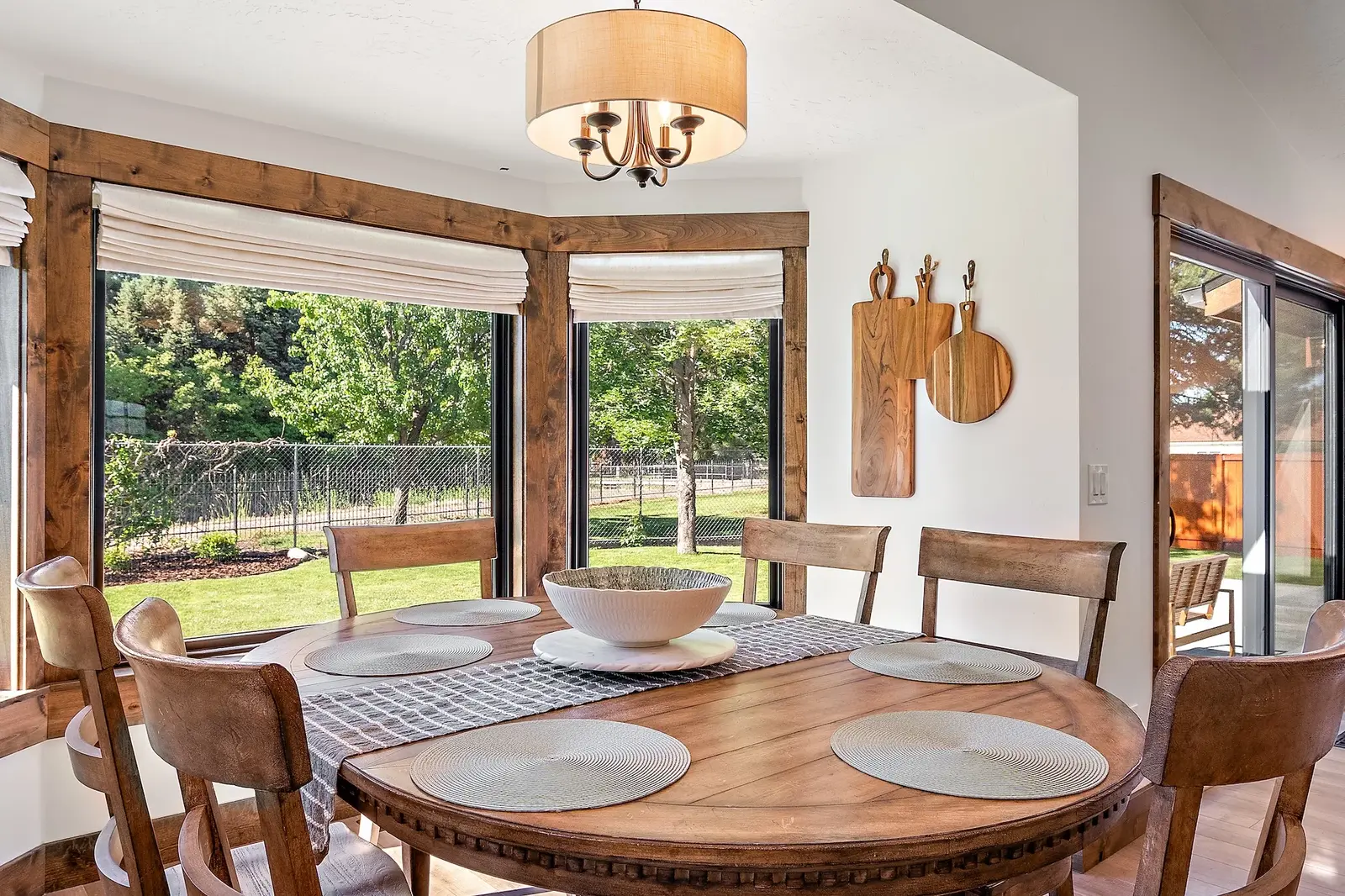
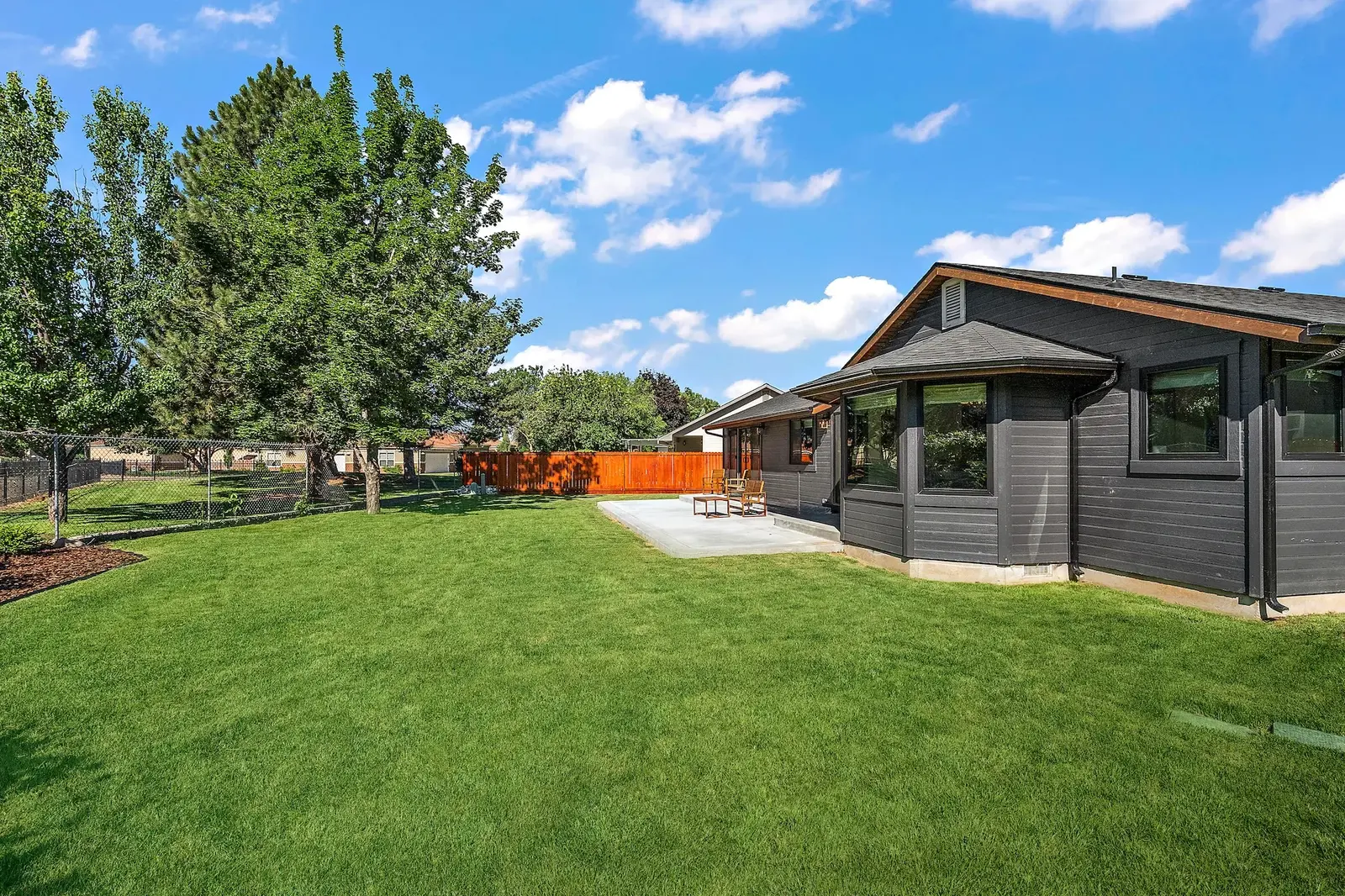
Emerald Isle Construction is a locally owned general contractor serving Star, Idaho, building custom homes, additions and remodels. It plans each job around what Star's growth means for a property: which side of the county line it is on, whether city sewer reaches the lot, and what the Boise River floodplain means for the permit.
We build new homes, add on to existing ones, and remodel inside and out across Star and the wider Treasure Valley. Star is one of the fastest-growing communities in the valley — the city’s own 2025 demographic report records growth from 11,117 residents in 2020 to over 20,000 by 2024, with a mid-range forecast of 34,250 by 2030.
That growth is why building here is not quite like building in Boise or Meridian. Star has its own building department and its own thresholds, it sits in two counties at once, and the Boise River runs through the middle of it — which decides whether your lot is on city sewer or septic. The practical detail is further down, and we work through all of it before design rather than at plan review.
Most custom work in Star starts on land rather than a finished lot, which front-loads the questions: where the sewer district boundary falls, whether the parcel is Ada or Canyon side, how close the Boise River flood mapping comes, and what the well and septic picture looks like if you are south of the river. We work those out before design rather than discovering them at plan review, because each one can move a foundation, a driveway or a schedule.
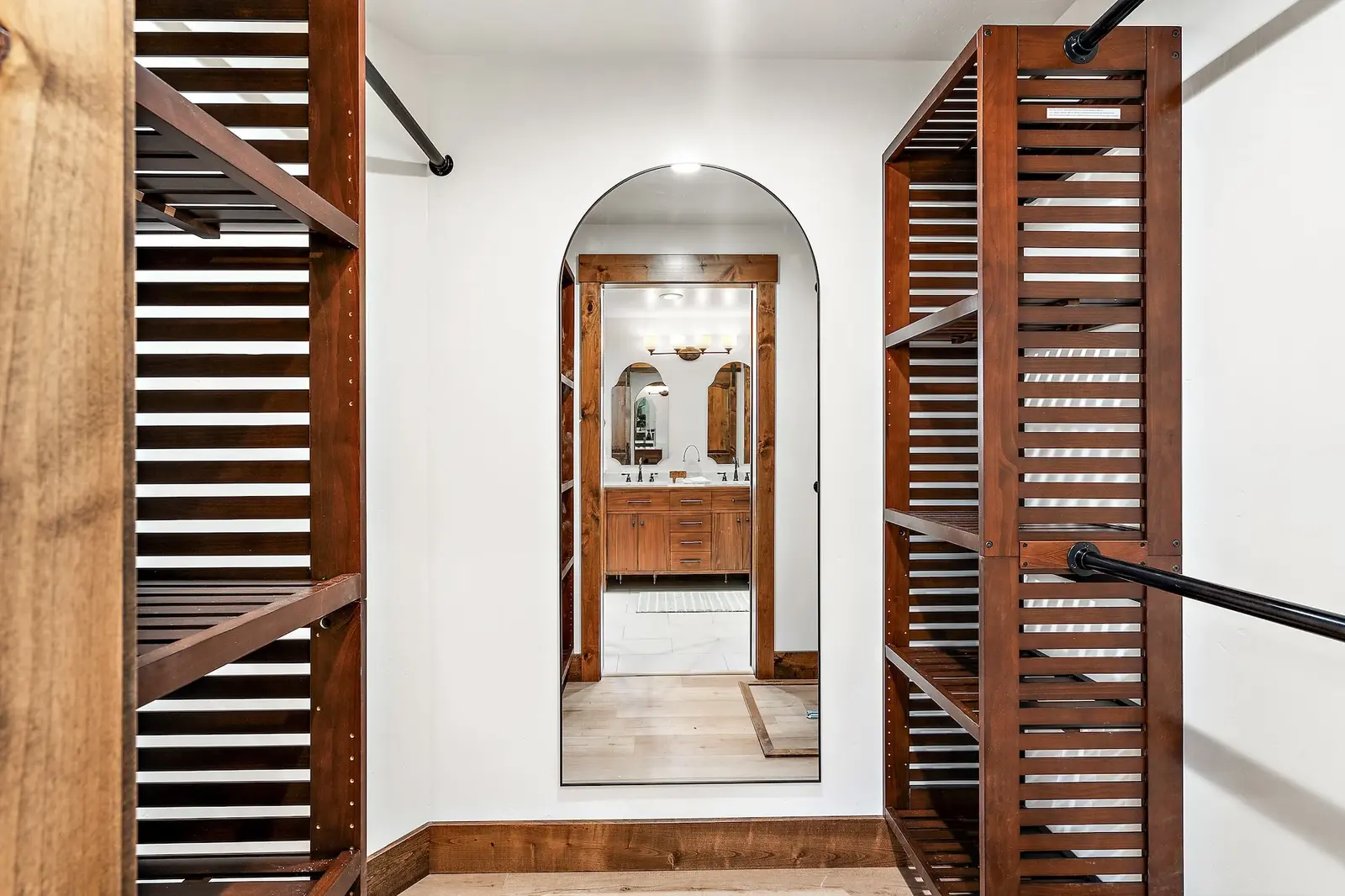
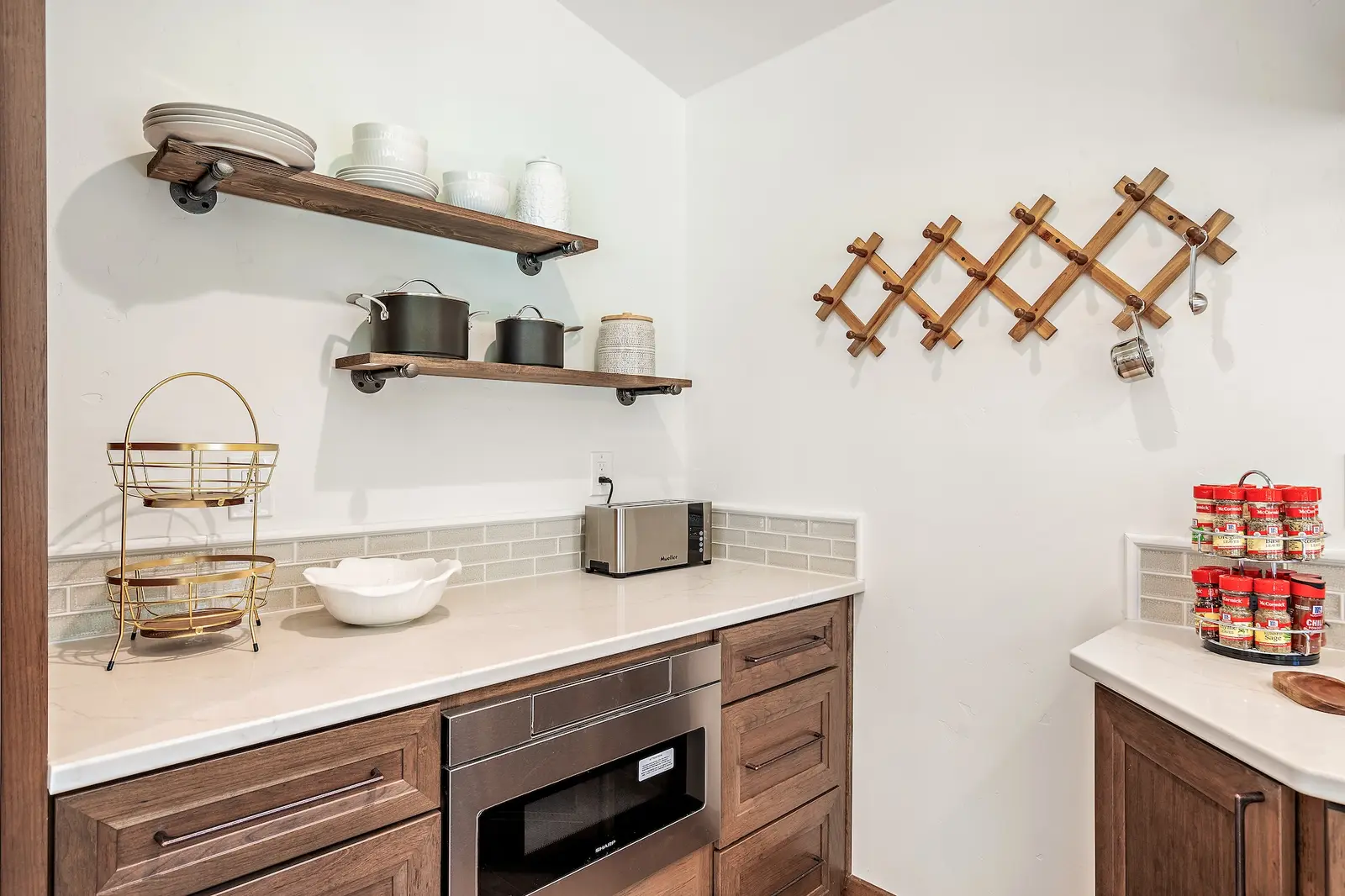
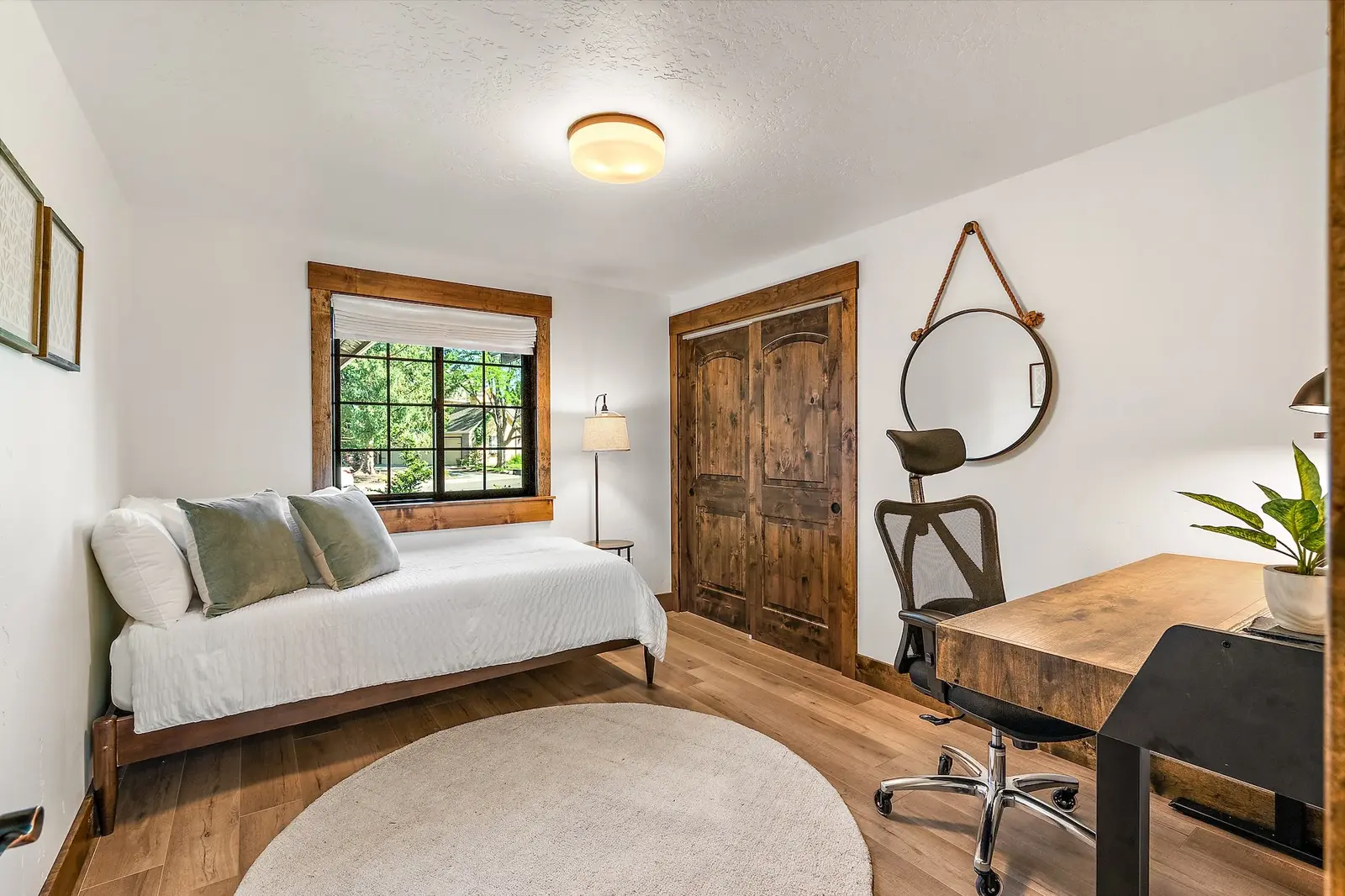
Nearly 80% of Star homes are owner-occupied, and much of the housing stock went up during the building boom of the last fifteen years — so the common jobs here are not tired 1970s ranches but relatively young homes being reworked for how a family actually lives now. Kitchens opened up, primary suites reconfigured, bonus rooms and basements finished. Work that changes structure needs a permit; re-siding over 100 square feet and enlarged window openings do too.
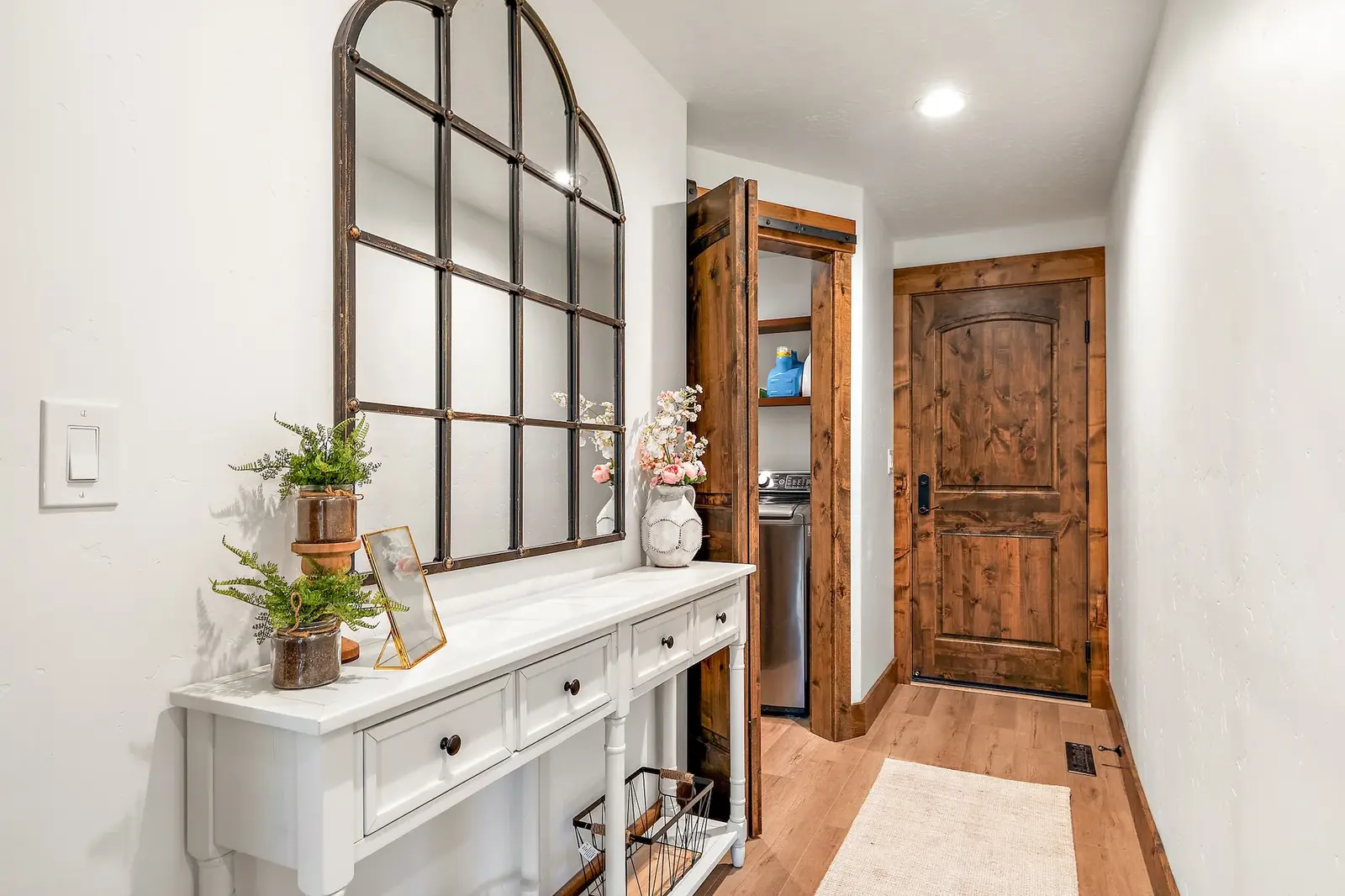
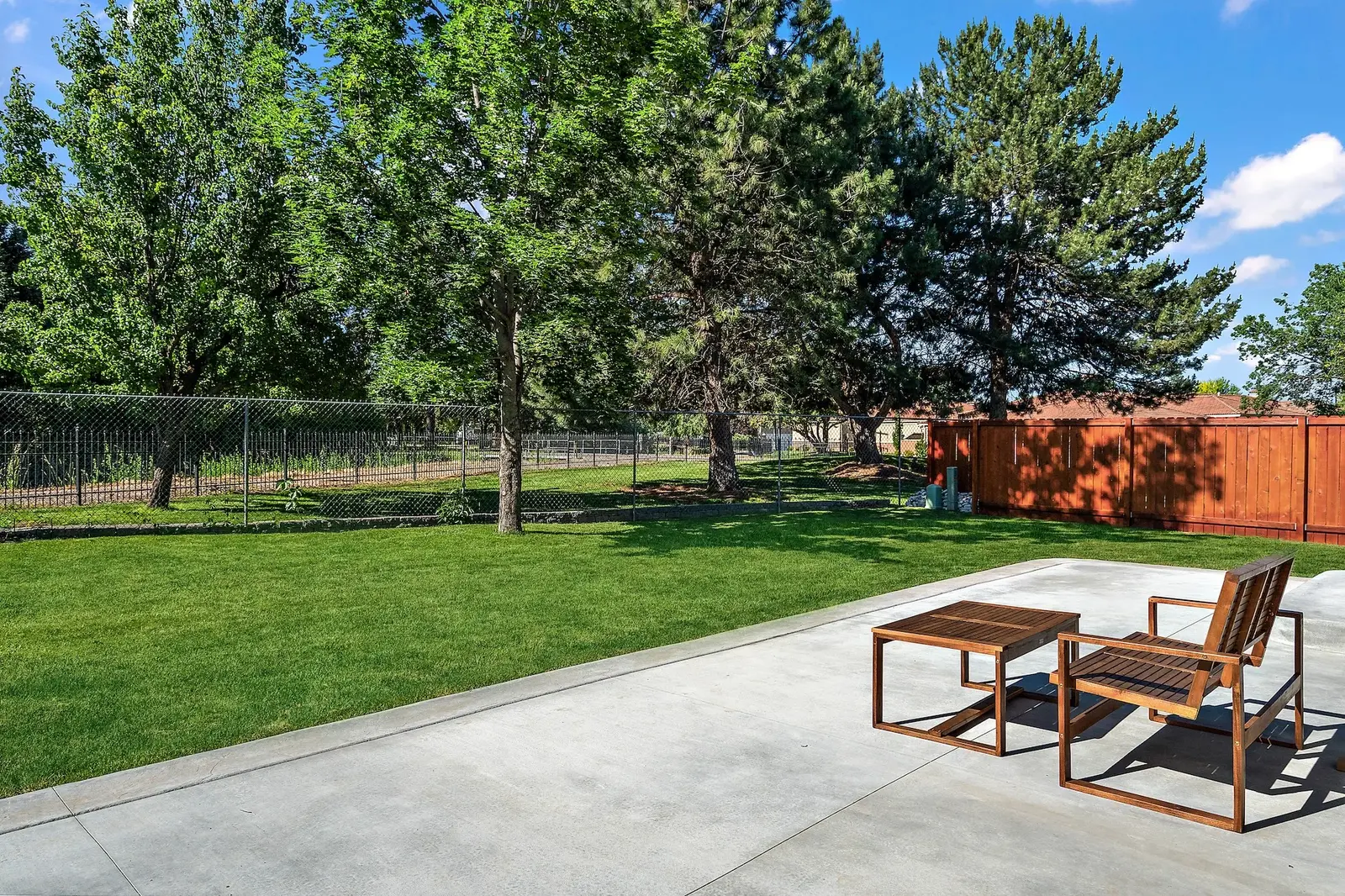
Star lots are often generous enough to build out rather than up, which usually makes for a simpler, cheaper addition — provided setbacks, easements and the septic drainfield allow it. On a septic property the drainfield location frequently decides where an addition can physically go, and it is the first thing we locate. Additions are structural work, so they are permitted through the City of Star from the outset.
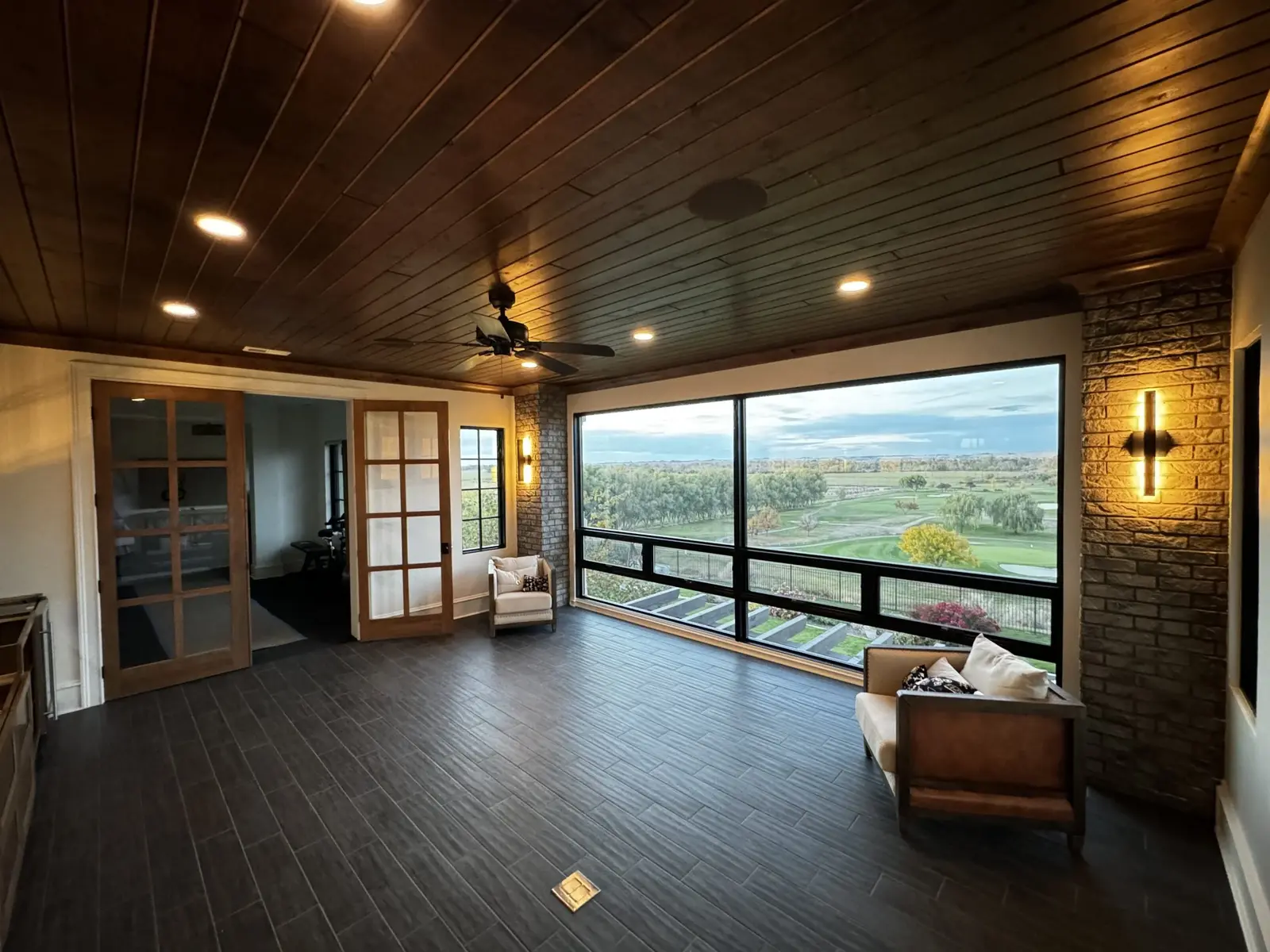
Three things decide most of what happens on a Star project before a single drawing is made. We check all three before design, not at plan review.
Star straddles the Ada and Canyon county line, and the split is not cosmetic. Which county your parcel sits in determines who reviews access and right-of-way work: the Ada County Highway District on the Ada side, Canyon Highway District No. 4 on the Canyon side. State Highway 44 runs east–west through town, Highway 16 sits to the east and US 20/26 to the south; all three are the Idaho Transportation Department’s. On a project touching a driveway approach or a frontage improvement, knowing which desk the application lands on is the difference between a straightforward approval and a month of being told you filed with the wrong agency.
The Star Sewer and Water District has served the area since 1966, providing both sewer and water. Its service area is bounded by the Ada and Canyon county line and Kingsbury Road to the west, Highway 16 to the east, the Boise River to the south, and the foothills to the north. If your lot falls outside that boundary, you are almost certainly on a septic system — and on the Ada County side that means a permit and a site evaluation including soil testing from Central District Health before anything gets installed. It is the single question most worth answering early, because the answer changes the site plan, the schedule and the budget.
The Boise River bisects Star between State Street (Highway 44) and Chinden Boulevard (US 20/26). Land near it falls within mapped flood hazard, and the City is explicit about what that requires: a Development Permit shall be obtained before construction or development begins within any area of Special Flood Hazard. The city advises talking to the Zoning Administrator before starting any work in those areas, and there are monetary penalties for getting it wrong. We check flood mapping on a Star property before design, not after — a foundation height decided late is an expensive thing to revisit. See the City’s flood plain development page for their current guidance.
The City of Star runs its permitting through its own building department and online portal, and its thresholds are worth knowing before you plan work — several of them catch people out, because they are lower than homeowners expect. According to the City of Star’s published guidance, a permit is required for:
Concrete slabs of any size do not require a permit, and neither do agricultural buildings as defined by the building code. Every contractor working in Star must hold a current, valid Idaho state license — worth confirming for anyone you are considering, not only us.
Thresholds and processes change. These reflect the City’s published guidance at the time of writing; we verify current requirements on every project rather than working from memory.
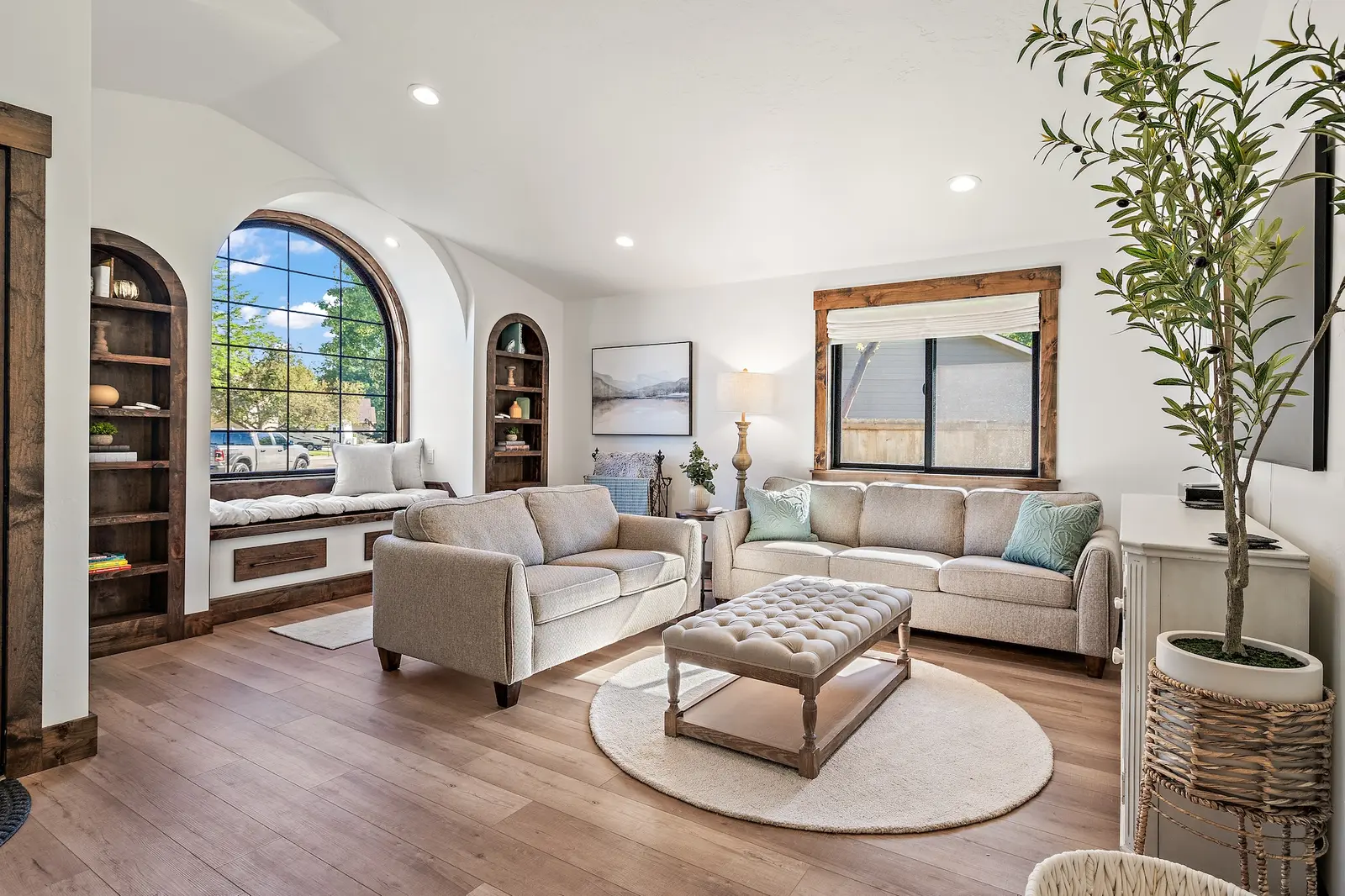
Every project runs on the same standards: quality materials, detailed execution, and open communication. Clients count on reliable timelines, transparent budgets, and a straight answer when something changes.
We are locally owned and work across the Treasure Valley, Star included. That matters less as a slogan than as a practical thing: we already know which agency handles what here, and we would rather tell you early that a lot is on septic, or inside flood mapping, than discover it at plan review and hand you the bill for the rework.
Yes, if it sits 30 or more inches above grade. Star’s thresholds are lower than many people expect: fences need a permit over 6 feet, retaining walls over 4 feet measured from the bottom of the footing to the top of the wall, and sheds or outbuildings at 200 square feet or more.
It depends which side of the Boise River you are on. The Star Sewer and Water District serves an area bounded by the Ada and Canyon county line and Kingsbury Road to the west, Highway 16 to the east, the Boise River to the south, and the foothills to the north. Outside that, expect septic — which on the Ada County side requires a permit and a site evaluation with soil testing from Central District Health. We confirm this at the start of every Star project rather than assuming it.
The river bisects the city between State Street and Chinden Boulevard, so this comes up often. The City requires a Development Permit before construction or development begins within any area of Special Flood Hazard, and recommends meeting the Zoning Administrator first. It can affect foundation height, so it belongs at the start of design.
Both — the city straddles the line. It determines which highway district handles access and right-of-way work: Ada County Highway District on the Ada side, Canyon Highway District No. 4 on the Canyon side. State highways through town are the Idaho Transportation Department’s.
Yes to re-roofing, and yes to siding replacement over 100 square feet. Window and door replacements need one when the opening is enlarged. Concrete slabs of any size do not.
We are a locally owned Treasure Valley builder and Star is inside our regular service area. If you want to talk through a specific address, that is the fastest way to get real answers about sewer, flood mapping and county jurisdiction — get in touch and we will look it up with you.
Tell us about your project and we'll set up a conversation. No pressure, no hard sell, just a clear, honest plan for what's possible.
Get started